OEM vs ODM vs Private Label Clothing: Which Is Best?
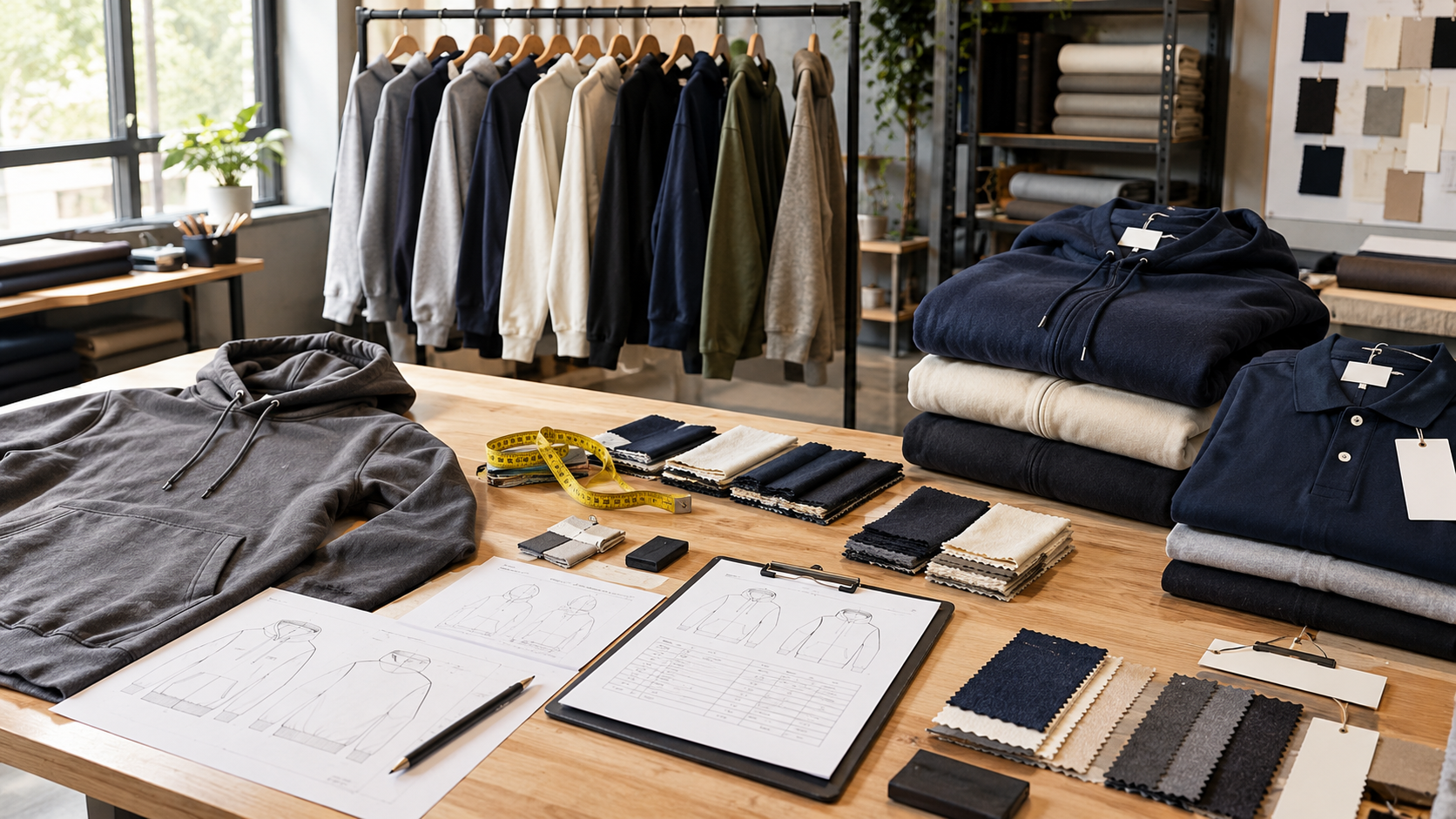
OEM vs ODM vs Private Label Clothing: Which Is Best?
Choosing the right clothing manufacturing model is an important decision when launching a fashion brand or expanding an existing apparel business.
Some brands already have complete designs and technical specifications. Others have a concept but need help developing the garment. Some prefer to start with an existing product and build their brand identity through labels, colours and packaging.
This is where OEM, ODM and private-label clothing manufacturing come into the picture.
Although these terms are sometimes used interchangeably, they can describe different levels of design control, product development and customization. Understanding the differences helps brands choose a manufacturing approach that matches their capabilities, budget and long-term goals.
What Is OEM Clothing Manufacturing?
OEM stands for Original Equipment Manufacturing. In apparel sourcing, it generally describes a model in which the buyer provides the design and product requirements while the manufacturer produces the garments to the agreed specifications.
Depending on the project, the buyer may provide a complete tech pack, reference garment, measurements, fabric requirements, artwork and construction details.
How OEM Manufacturing Works
A typical OEM project may include:
Buyer-provided designs and product specifications
Fabric and trim selection
Pattern development or adaptation where agreed
Sample development and revisions
Approval of fit, measurements and construction
Bulk production, quality checks and packing
The exact division of responsibilities should be agreed with the manufacturer before development begins.
Who Should Consider OEM?
OEM can be suitable for established fashion brands, sportswear businesses, private-label companies with in-house designers and buyers who need products made to a specific design.
For example, a brand developing its own technical sports jersey or a distinctive heavyweight hoodie may choose OEM when it has clear requirements and wants the manufacturer to produce against them.
Main advantage: Greater control over the product specification.
Main consideration: The buyer needs to provide clear requirements or agree on the development work needed to turn a concept into a production-ready garment.
What Is ODM Clothing Manufacturing?
ODM stands for Original Design Manufacturing. In this model, the manufacturer contributes more substantially to product design or development.
The buyer may begin with a concept, mood board, reference images, intended customer or functional requirements rather than a complete tech pack.
The manufacturer and buyer then agree on the product development scope, which may include design refinement, pattern development, material recommendations and sample creation.
How ODM Manufacturing Works
A typical ODM project may involve:
Discussing the buyer's concept and target market
Developing or refining a garment design
Recommending suitable fabrics and trims
Creating patterns and prototypes
Reviewing samples and agreed revisions
Finalizing specifications before bulk production
Not every manufacturer offers the same level of design support. Confirm what development services are included in the quotation.
Who Should Consider ODM?
ODM may suit new clothing brands that have a clear product idea but limited technical design resources. It can also help established brands develop new styles when they need manufacturing-partner input.
For example, a startup may want a distinctive casual tracksuit but need help translating its concept into a workable garment specification.
Main advantage: Access to manufacturing and product-development expertise.
Main consideration: Design ownership, exclusivity, development charges and revision limits should be agreed in writing.
What Is Private-Label Clothing Manufacturing?
Private-label clothing manufacturing allows a business to sell garments under its own brand name. Depending on the supplier's program, this may involve adapting an existing style or developing a garment specifically for the buyer.
Private label describes the branding and commercial arrangement rather than one single manufacturing process. A private-label project can also involve OEM-style custom production or ODM-style development.
How Private-Label Manufacturing Works
A project may include:
Selecting or developing a garment
Choosing fabrics, colours and trims
Adding woven labels and care labels
Customizing logos, embroidery or printing
Developing hangtags and packaging
Approving samples before bulk production
The available customization depends on the manufacturer, product, quantity and agreed specifications.
Who Should Consider Private Label?
Private label can suit startup fashion brands, sportswear labels, distributors, retailers and established businesses expanding their product range.
For example, a new streetwear brand may want hoodies and tracksuits featuring its own branding, custom colours and retail packaging.
Main advantage: A route to selling branded products without necessarily developing every garment from scratch.
Main consideration: An existing base style may not be exclusive. Confirm whether the product design is shared, customized or developed exclusively for your project.
OEM vs ODM vs Private Label: Key Differences
OEM
Design input: Primarily buyer-led.
Development: Manufacturer produces to agreed specifications and may provide additional development services.
Customization: Based on the agreed technical requirements.
Best suited to: Brands with defined designs and product specifications.
ODM
Design input: Shared or manufacturer-led, depending on the agreement.
Development: Manufacturer contributes to turning the concept into a finished product.
Customization: Depends on the development scope and supplier capabilities.
Best suited to: Brands that need product-development support.
Private Label
Design input: May start with an existing style or a custom-developed garment.
Development: Depends on whether the project uses an existing product or requires new development.
Customization: Branding, labels, colours, trims and packaging may be available.
Best suited to: Businesses building a product range under their own brand identity.
These categories can overlap. Rather than relying on the terminology alone, confirm exactly who will design, develop, approve and own each part of the project.
Which Manufacturing Model Is Best for a New Clothing Brand?
The right choice depends on what you already have and what you need from your manufacturing partner.
Choose OEM If You Have a Complete Design
If you have a tech pack, measurement chart, material requirements and clear construction details, an OEM-style arrangement may be appropriate.
It allows the production brief to be based on your documented specifications, subject to the agreed development process.
Consider ODM If You Need Development Support
If you have a concept but need help with patterns, fabrics, construction or sample development, ask whether the manufacturer offers ODM-style services.
Discuss the scope and cost before sampling begins.
Consider Private Label If Branding Is Your Priority
If you want to launch branded hoodies, tracksuits, polo shirts or other apparel without creating every style from scratch, explore the supplier's private-label options.
Ask which elements can be customized and whether the base design is exclusive.
What Should You Check Before Choosing a Manufacturer?
The manufacturing model is only one part of selecting the right production partner.
Before committing to a project, review the following:
Product capability: Can the manufacturer produce your garment type and construction?
Fabric sourcing: Can the proposed materials meet your composition, GSM, colour and performance requirements?
Sampling process: What is included in the first sample, and how are revisions handled?
MOQ: Is the minimum quantity based on each style, colour or another production requirement?
Customization: Can the manufacturer provide the required embroidery, printing, labels, trims and packaging?
Quality control: What checks and approvals are agreed before bulk production?
Commercial terms: Are development costs, unit prices, payment terms and shipping responsibilities clearly documented?
Design ownership: Who owns the artwork, patterns and any newly developed design elements? Are exclusivity terms required?
A clear written agreement helps both parties understand their responsibilities before production starts.
How Does a Clothing Project Move from Concept to Bulk Production?
Regardless of the manufacturing model, a custom apparel project generally follows a sequence of development and approval steps.
Step 1: Define the Product
Identify the garment type, intended customer, design direction, target quantity and delivery requirements.
Step 2: Confirm the Development Scope
Agree whether you will provide the complete specifications or need help with design refinement, patterns and technical development.
Step 3: Select Materials and Customization
Discuss fabric composition, GSM, colours, trims, branding, labels and packaging.
Step 4: Develop and Review the Sample
Evaluate the physical sample for fit, measurements, material, construction and decoration. Request agreed revisions where needed.
Step 5: Approve the Production Specification
Document the final approved details, commercial terms and quality requirements before authorizing bulk production.
Step 6: Manufacture and Inspect
Production proceeds according to the agreed specification, with quality checks and packing arrangements defined for the project.
This process helps establish a clear reference for both the buyer and manufacturer.
How ASA Industries Supports Custom Apparel Development
ASA Industries is a Sialkot, Pakistan-based manufacturer serving international B2B buyers across custom sportswear, teamwear, outerwear, casualwear and private-label apparel.
Depending on the project requirements, buyers can discuss product development from a concept, reference garment or technical specification.
Private-label projects can include material and colour selection, branding, sampling, labels, hangtags, packaging, bulk production and export preparation.
The appropriate manufacturing approach depends on the garment, available specifications, customization requirements and order quantity. The exact development scope and commercial terms should be confirmed for each project.
Frequently Asked Questions
Is OEM the same as private-label clothing?
Not necessarily. OEM generally describes a production arrangement based on buyer-led specifications, while private label describes selling garments under your own brand. A private-label project can also use an OEM-style manufacturing process.
Is ODM better than OEM for a startup?
It depends on the startup's resources. ODM may be useful when you need design and product-development support. OEM may be a better fit when you already have clear technical specifications.
Can private-label clothing be fully customized?
Customization depends on the manufacturer's capabilities, the selected product, order quantity and development agreement. Some projects adapt existing styles, while others involve more extensive custom development.
Do I need a tech pack for OEM manufacturing?
A detailed tech pack is helpful because it documents measurements, materials, construction and branding. If you do not have one, ask whether the manufacturer offers technical development services.
Who owns the design in OEM or ODM production?
Ownership depends on the contract, the original design, any newly developed intellectual property and the agreed licensing or exclusivity terms. Clarify these points in writing before production.
Can I use private label for sportswear and teamwear?
Yes, private-label arrangements can be used for products such as jerseys, tracksuits, hoodies and other apparel, subject to the manufacturer's capabilities and project requirements.
Start Your Custom Apparel Project with ASA Industries
Choosing the right manufacturing model begins with understanding your product, your design resources and the level of customization you require.
Whether you have a complete tech pack or are starting with an initial concept, prepare your reference images, target quantity, fabric preferences, branding requirements and delivery destination.
Request a Quote: https://www.asaindustriespk.com/rfq
Common questions.
Production brief / quotation / export
Ready to start your production brief?
Tell us your product, quantity and timeline — our team will respond with a tailored quotation for your order.