
How to Choose the Right Fabric GSM
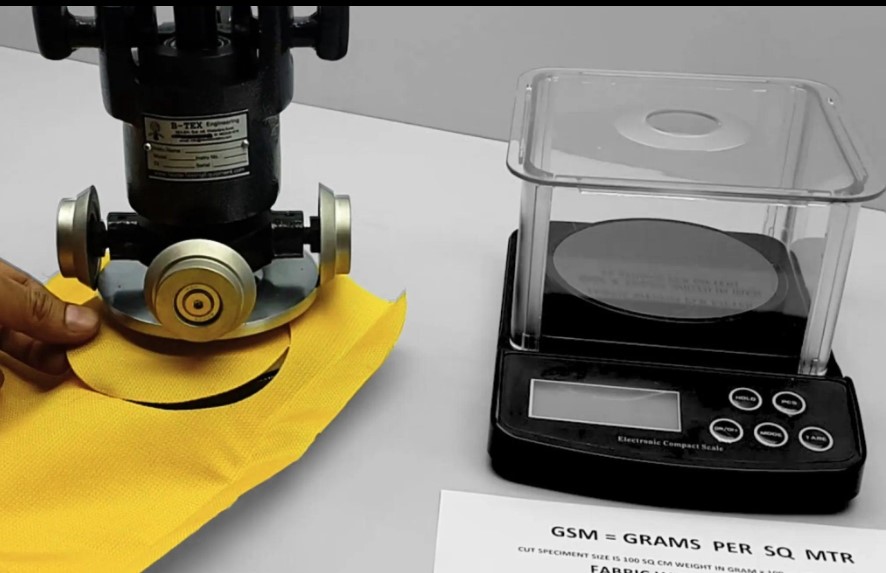
How to Choose the Right Fabric GSM for T-Shirts, Hoodies, Sportswear & Activewear
Choosing the right fabric is one of the most important decisions when developing a clothing product. Whether you are launching a private-label clothing brand, creating teamwear, developing activewear, or producing custom T-shirts and hoodies, fabric GSM is one of the specifications manufacturers need to understand.
GSM stands for grams per square meter and is commonly used to indicate fabric weight. However, choosing the right GSM is not simply about selecting the highest number.
A 240 GSM fabric is not automatically better than a 180 GSM fabric. The right choice depends on the fabric composition, construction, stretch, finishing, intended use, climate, garment design and target customer.
This guide explains how to choose the right fabric GSM for different types of clothing and what brands should consider before sampling and bulk production.
What Does GSM Mean in Fabric?
GSM means Grams per Square Meter.
It describes how much one square meter of fabric weighs.
For example:
150 GSM = lighter-weight fabric 180 GSM = light to medium weight 220 GSM = medium to heavier weight 300 GSM = heavyweight fabric 400+ GSM = very heavyweight fabric in many garment applications
GSM is useful when communicating fabric requirements to a clothing manufacturer because it provides a measurable reference point.
However, GSM should always be considered together with the fabric's composition, construction and intended application.
Does Higher GSM Mean Better Quality?
Not necessarily.
This is one of the most common mistakes clothing brands make when selecting fabric.
Higher GSM generally means more fabric weight, but it does not automatically mean better quality.
For example, a lightweight performance fabric can be an excellent choice for running or training apparel, while a heavyweight cotton fabric may be more appropriate for an oversized streetwear T-shirt.
Both can be high-quality products even though their GSM is very different.
Other factors that affect fabric quality include:
Fiber composition Yarn quality Fabric construction Knitting or weaving Stretch and recovery Finishing Colorfastness Shrinkage Pilling resistance Breathability Moisture management Intended end use
The right GSM is the GSM that matches the product.
Typical Fabric GSM Guide for Different Clothing
The following ranges can be used as general starting points rather than fixed industry standards.
Product Typical GSM Direction Main Consideration Lightweight T-Shirt 120–160 GSM Lightness and breathability Standard T-Shirt 160–200 GSM Everyday comfort and durability Heavyweight T-Shirt 200–280+ GSM Structure and heavier hand feel Lightweight Hoodie 240–300 GSM Lighter layering Midweight Hoodie 300–400 GSM Comfort and warmth Heavyweight Hoodie 400–500+ GSM Heavy feel and structure Performance Tops ~100–200 GSM* Breathability, stretch and moisture management Sports Jerseys ~120–180 GSM* Lightweight performance and airflow
Important: These are general guidelines. Actual suitable GSM varies according to fabric construction, composition, finishing, garment design and intended use.
How to Choose GSM for T-Shirts
T-shirts are one of the most common products where GSM matters.
Lightweight T-Shirts
A lower GSM can be suitable when the goal is:
Lightweight construction Breathability Hot-weather comfort Casual everyday wear Lower garment weight Midweight T-Shirts
Midweight fabrics can provide a balance between:
Comfort Durability Structure Breathability Cost
This range is often suitable for everyday branded T-shirts.
Heavyweight T-Shirts
Higher GSM fabrics are commonly considered for:
Oversized T-shirts Streetwear Premium basics Structured silhouettes Heavyweight collections
But the final result also depends on the cotton type, yarn, knitting construction and finishing.
How to Choose GSM for Hoodies
Hoodies require a different approach because fabric construction and warmth become more important.
Common hoodie fabrics include:
French terry Cotton fleece Cotton/polyester fleece Heavyweight fleece Buyer-selected custom blends
A lighter hoodie can work well for transitional weather or layering, while heavier fabrics can provide more warmth and a substantial hand feel.
For a hoodie brand, don't specify only:
“We need a premium heavyweight hoodie.”
Instead, provide measurable requirements such as:
Fabric composition + target GSM + construction + finish + color + approved sample/swatches.
This gives the manufacturer a much clearer production target.
How to Choose GSM for Sportswear
Sportswear is different from casualwear because performance can be more important than fabric weight.
For sports jerseys and performance garments, buyers should consider:
Breathability Moisture management Stretch Recovery Durability Airflow Garment weight Climate Sport-specific movement
A football jersey, basketball jersey, golf polo and rugby garment may all require different fabric characteristics.
For example, making a sports jersey unnecessarily heavy simply because a higher GSM sounds more premium can actually reduce comfort during physical activity.
For sportswear, choose GSM based on performance requirements—not simply maximum weight.
How to Choose GSM for Activewear
Activewear requires an even more product-specific approach.
For products such as:
Leggings Sports bras Compression wear Gym tops Training shorts Yoga wear Performance sets
GSM should be considered alongside:
Stretch
Does the fabric provide enough stretch for movement?
Recovery
Does it return to its original shape after stretching?
Opacity
Is the fabric sufficiently opaque for leggings and fitted garments?
Moisture Management
Can the fabric effectively handle sweat during training?
Compression
For compression garments, fabric construction and elastane content can be just as important as GSM.
Hand Feel
Does the fabric feel comfortable against the skin?
This is why an activewear buyer should not simply tell a manufacturer:
“Give me the highest GSM available.”
The better approach is to specify the performance requirement first and select the fabric accordingly.
GSM vs Fabric Composition: What's the Difference?
Two fabrics can have exactly the same GSM but perform very differently.
For example:
180 GSM cotton
and
180 GSM polyester performance fabric
may have completely different:
Hand feel Breathability Moisture management Stretch Drying characteristics Durability Appearance
This is why GSM should never be treated as the only fabric specification.
When developing a product, consider:
Composition + GSM + construction + finish + performance requirements.
How GSM Can Affect Clothing Cost
Fabric GSM can also influence production economics.
A heavier fabric generally contains more material by weight, which can affect:
Fabric consumption Garment weight Shipping weight Material cost Production cost Retail positioning
However, GSM alone does not determine the final clothing price.
Other factors include:
Fiber composition Fabric quality Dyeing Finishing Garment construction Printing Embroidery Labels Packaging Order quantity Customization requirements
Therefore, a 200 GSM garment is not automatically cheaper or more expensive than every 180 GSM garment.
Why Brands Should Approve a Physical Fabric Sample
One of the most important steps before bulk production is physical fabric approval.
A specification such as:
220 GSM polyester
does not tell the complete story.
A buyer should ideally review a swatch and confirm:
Fabric composition GSM Hand feel Stretch Recovery Color Surface appearance Thickness Transparency/opacity Finish Shrinkage requirements
This becomes especially important for new clothing brands where the final garment needs to match a specific reference product.
How to Specify Fabric Requirements to a Clothing Manufacturer
Instead of sending:
“I need a premium T-shirt.”
Give the manufacturer a production-ready specification.
For example:
Product: Oversized T-Shirt Composition: 100% Cotton Target GSM: 240 GSM Color: Black Fit: Oversized Finish: Soft hand feel Branding: Screen print + woven neck label Reference: Approved physical sample Quantity: 300 pieces
This gives the manufacturer a much clearer starting point for fabric sourcing, sampling and quotation.
Common Fabric GSM Mistakes Clothing Brands Make 1. Assuming Higher GSM Means Better Quality
Higher weight does not automatically mean better fabric.
2. Choosing GSM Before Choosing the Fabric Type
First understand the product requirements and suitable fabric construction.
3. Comparing Different Fabrics Only by GSM
Two fabrics with the same GSM can perform very differently.
4. Ignoring Stretch and Recovery
This can be especially problematic for activewear and compression garments.
5. Giving the Manufacturer Vague Requirements
Terms such as “premium,” “heavy,” or “luxury” should ideally be supported by measurable technical requirements.
GSM Should Match the Product, Not the Marketing
One of the best ways to choose fabric weight is to start with the purpose of the garment.
Ask:
Who will wear it? Where will it be worn? What climate is it designed for? Is it casual or performance-focused? Does it need stretch? Does it need warmth? Does it need breathability? What hand feel should it have? What price point is targeted? What level of durability is required?
Once these requirements are clear, the manufacturer can recommend suitable fabric options and GSM ranges.
How ASA Industries Supports Fabric Selection
At ASA Industries, fabric selection can be developed around the product's intended use, technical requirements and target market.
Our apparel manufacturing process can include:
Product Requirement → Fabric Selection → Specification Confirmation → Sampling → Revision → Approval → Bulk Production → Quality Control
Buyers can provide a tech pack, reference garment, artwork, fabric requirement or product brief for review.
For custom sportswear, activewear, casualwear, teamwear and private-label apparel, fabric composition, GSM, colors, construction and finishing can be developed according to the approved product requirements.
Final Checklist Before Approving Fabric
Before moving into bulk production, confirm:
✓ Fabric composition ✓ Target GSM ✓ Fabric construction ✓ Color ✓ Stretch and recovery where required ✓ Performance requirements ✓ Physical fabric sample ✓ Approved garment sample
Getting these details right before bulk production can help reduce unnecessary sampling issues, specification misunderstandings and quality differences.
Need Help Selecting Fabric for Your Clothing Line?
If you are developing a new clothing collection and are unsure which fabric, GSM or construction is suitable, send ASA Industries your product type, target quantity, preferred fabric, GSM requirement, reference images or tech pack.
Our team can review the requirements and advise on suitable production options.
Request a Quote from ASA Industries → https://www.asaindustriespk.com/rfq
Common questions.
Production brief / quotation / export
Ready to start your production brief?
Tell us your product, quantity and timeline — our team will respond with a tailored quotation for your order.